Why the prices of Oil are going above $100 and What it actually means in the Global economy in 2026
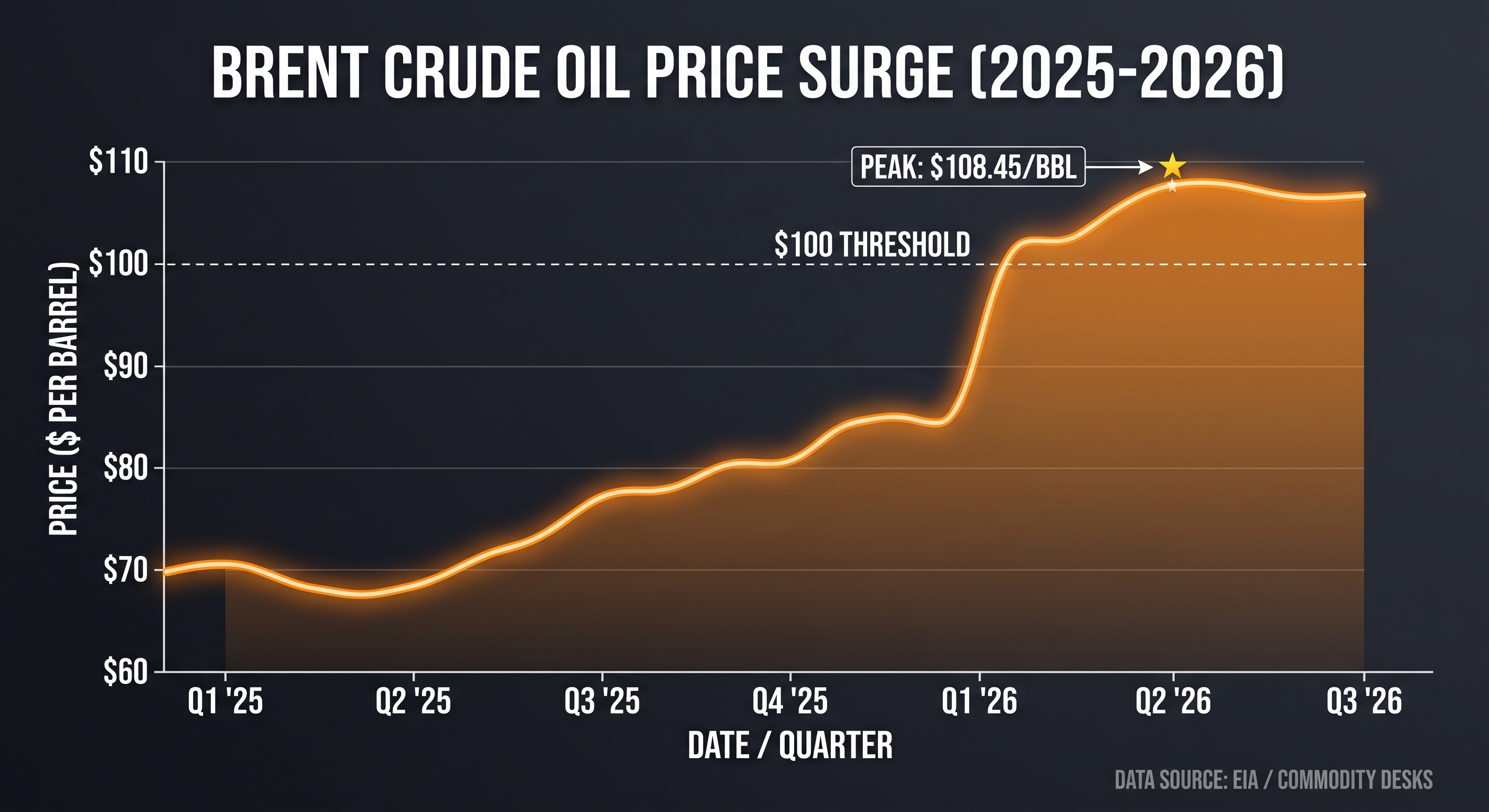
Global oil prices have bounced back above the crucial $100-a-barrel mark due to falling Middle Eastern chokepoints and growing supply fears. Find out why this price surge is proving to be persistent inflation around the world, how it is impacting industries from Europe to Asia and what consumers can expect at the pump in the coming months.
Why Are Oil Prices Surging Again?
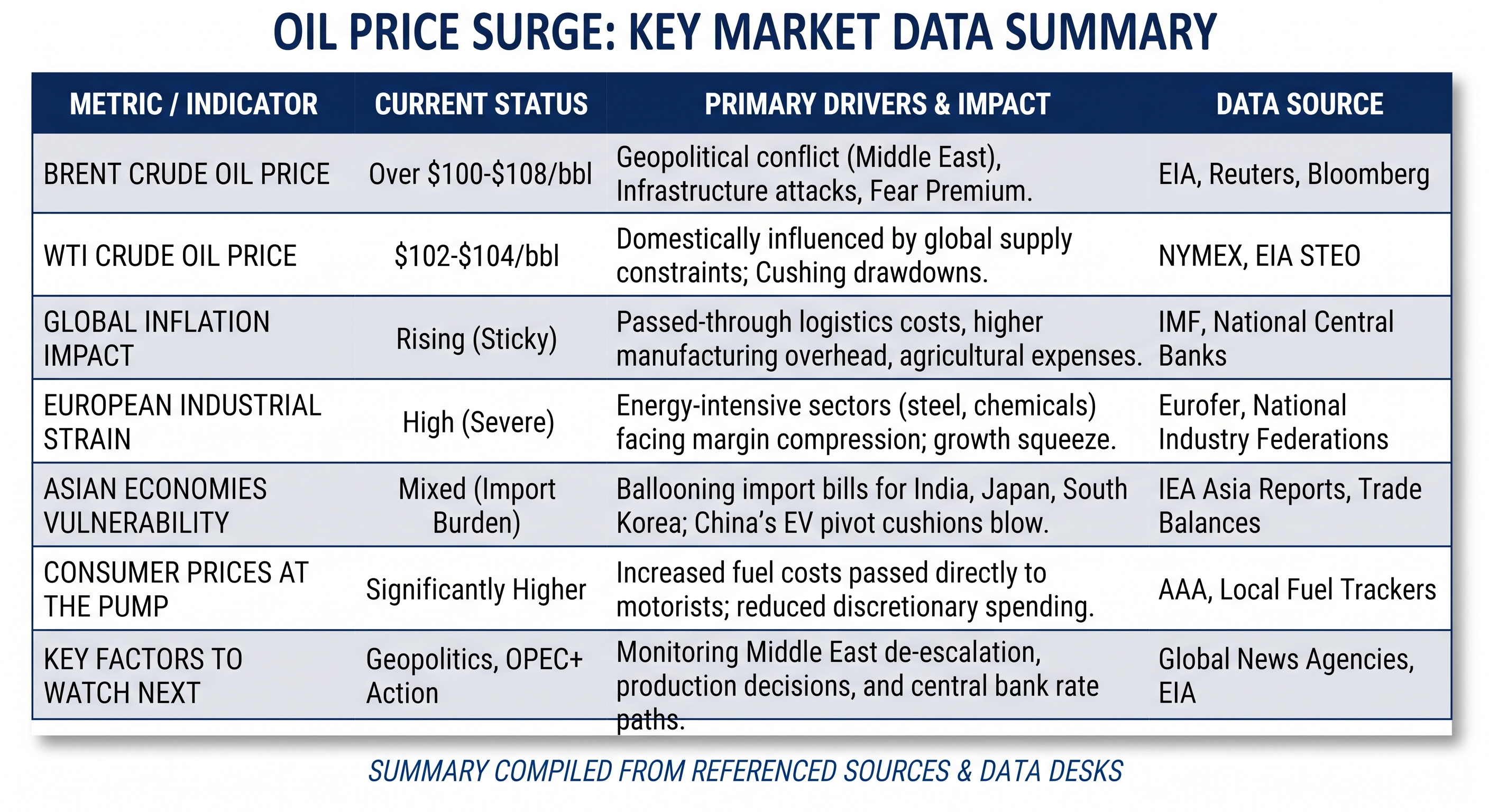
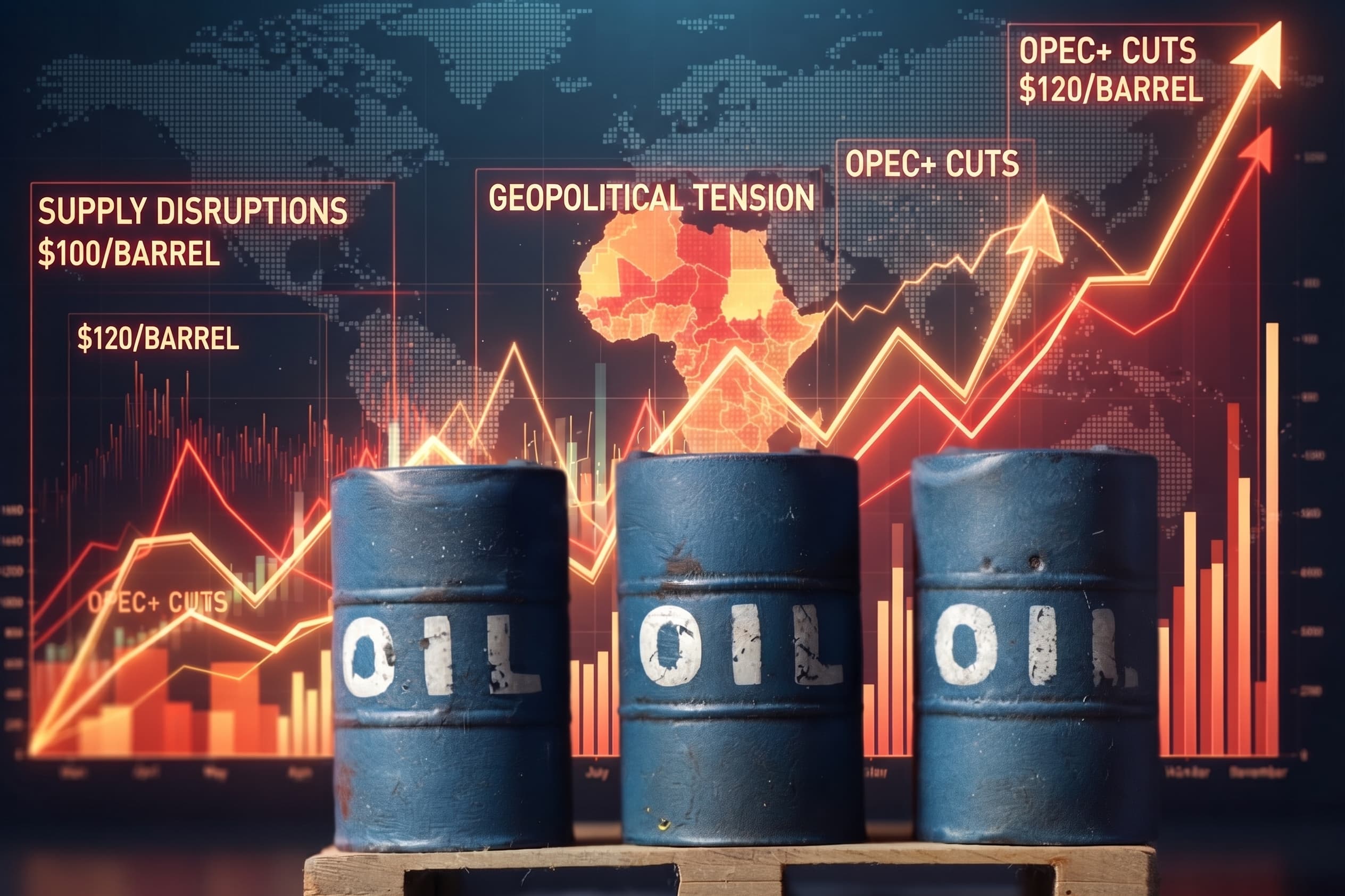
Let’s be honest: this current price spike isn't your typical supply-and-demand story. Instead, it’s driven entirely by high-stakes geopolitics and broken supply lines.
Choke Points and Conflict: Tensions in the Middle East specifically involving the U.S., Israel, and Iran have repeatedly thrown a wrench into the Strait of Hormuz, the narrow water passage where a massive percentage of the world’s oil usually travels. According to the U.S. Energy Information Administration (EIA) Short-Term Energy Outlook, regional conflicts have severely restricted maritime flows and drained hundreds of millions of barrels from global inventories
Targeted Infrastructure: Recent attacks hitting energy facilities and critical transport pipelines in places like Saudi Arabia have left global markets on edge.
The "Fear Premium": Even on days when the oil is technically still flowing, traders automatically bake a heavy risk buffer into the price. Why? Because everyone is terrified that the next breaking news alert will shut down supplies completely.
How Higher Oil Prices Stoke Inflation
Oil isn't just about what you put in your car; it’s the invisible building block behind almost everything we buy. When it gets expensive, it acts like an economic wildfire:
Logistics and Shipping: When diesel and jet fuel prices shoot up, it instantly costs more to ship everything from fresh groceries to electronics. Naturally, transport companies and airlines pass those extra costs straight to you.
Factories and Farming: Modern manufacturing requires massive amounts of energy to run assembly lines, and modern farming relies heavily on petroleum-based fertilizers and heavy machinery.
The Ripple Effect: Energy costs eventually bleed into your monthly utility bills and everyday goods. Once prices creep up across the board, consumer habits shift, and inflation becomes notoriously sticky—making life much harder for central banks trying to cool things down.
The Impact on Europe
Europe is always walking a tightrope when it comes to energy because it relies so heavily on imports.
A Squeeze on Growth: Just as European economies were trying to find their footing, spiking oil and gas prices act like an extra tax slapped onto everyday households and factories alike.
Industrial Strain: Heavy industries think steel, chemicals, and car manufacturing—see their profit margins shrink overnight. If they try to pass those costs onto buyers, European products risk losing their edge globally.
The Cost-of-Living Crunch: Ordinary people feel the squeeze immediately at the gas station and on their home heating bills, leaving them with very little breathing room for anything else.
The Impact on Asian Economies
Asia is a fascinating mixed bag because the region is home to both some of the world's biggest energy importers and its most powerful manufacturing hubs.
The Import Burden: Energy powerhouses like India, Japan, and South Korea have to buy most of their oil from abroad. When prices skyrocket, their import bills balloon, which can weaken local currencies and blow out trade deficits.
The China Factor: China has managed to cushion some of the domestic blow thanks to its aggressive pivot toward electric vehicles (EVs) and green energy, which naturally lowers its baseline thirst for gasoline. Still, a wider global energy shock inevitably slows down its massive manufacturing engine.
What Consumers Could See in the Coming Months
If oil continues to hover north of $100, everyday life is going to get noticeably more expensive:
At the Pump: Budgeting for your daily commute is going to hurt a bit more as filling up your tank gets pricier.
On Store Shelves: Retailers will quietly bake higher freight, transport, and packaging costs into groceries and daily essentials.
Vacation and Travel Pain: Airlines will pass down jet fuel expenses, meaning plane tickets and vacation packages are likely to creep upward.
Tighter Wallets: With more of your paycheck swallowed up by basic necessities and utility bills, your discretionary spending like eating out or catching a movie will likely take a backseat.
What to Watch Next
If you want to figure out whether this is just a painful blip or a long-term headache, keep a close eye on these three signals:
Middle Eastern Headlines: Look for any genuine signs of de-escalation, or conversely, whether shipping lanes and pipelines face further attacks.
OPEC+ Moves: Pay attention to whether major oil-producing countries decide to step up production to calm the panic.
Central Bank Decisions: If oil keeps inflation propped up, watch to see if central banks delay cutting interest rates or hint at keeping borrowing costs higher for longer.